Your Subtitle text
Contemporary Art

Contemporary art


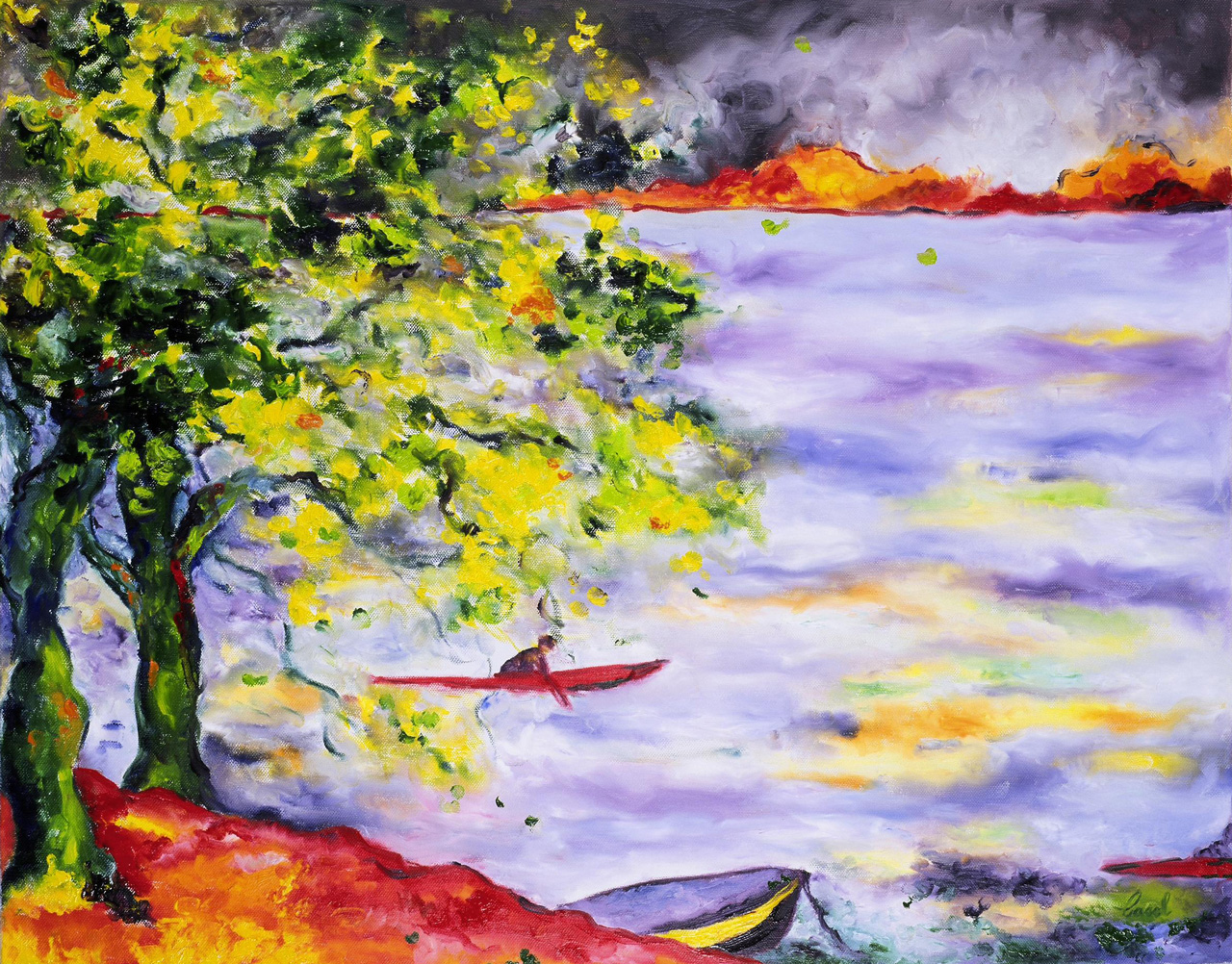
Tempete en Pays Catalan by Casol

Contemporary art can be defined variously as art produced at this present point in time or art produced since World War II. The definition of the word contemporary would support the first view, but museums of contemporary art commonly define their collections as consisting of art produced since World War II.


 The institutions of contemporary art
Contemporary art is exhibited by commercial contemporary art galleries, private collectors, corporations, publicly funded arts organizations, contemporary art museums or by artists themselves in artist-run spaces. Contemporary artists are supported by grants, awards and prizes as well as by direct sales of their work.


There are close relationships between publicly funded contemporary art organisations and the commercial sector. For instance, in Britain a handful of dealers represent the artists featured in leading publicly funded contemporary art museums.


Individual collectors can wield considerable influence. Charles Saatchi has dominated the contemporary art market in Britain since the 1980s; the subtitle of the 1999 book Young British Artists: The Saatchi Decade uses of the name of the private collector to define an entire decade of contemporary art production.


Corporations have attempted to integrate themselves into the contemporary art world: exhibiting contemporary art within their premises, organising and sponsoring contemporary art awards and building up extensive collections.


The institutions of art have been criticised for regulating what is designated as contemporary art. Outsider art, for instance, is literally contemporary art, in that it is produced in the present day. However, it is not considered so because the artists are self-taught and are assumed to be working outside of an art historical context. Craft activities, such as textile design, are also excluded from the realm of contemporary art, despite large audiences for exhibitions. Attention is drawn to the way that craft objects must subscribe to particular values in order to be admitted. "A ceramic object that is intended as a subversive comment on the nature of beauty is more likely to fit the definition of contemporary art than one that is simply beautiful."


At any one time a particular place or group of artists can have a strong influence on globally produced contemporary art; for instance New York artists in the 1980s.


Cerisiers en Fleurs - Casol landscape painting


Public attitudes
Contemporary art can sometimes seem at odds with a public that does not feel that art and its institutions share its values. In Britain in the 1990s contemporary art became a part of popular culture, with artists becoming stars, but this did not lead to a hoped for "cultural utopia".


Contemporary Art Movements

1950s
Abstract Expressionism
Bay Area Figurative Movement
Lyrical Abstraction
New York Figurative Expressionism
New York School 

1960s
Abstract expressionism
Bay Area Figurative Movement
Color field
Computer art
Conceptual art
Fluxus
Happenings
Hard-edge painting
Lyrical Abstraction
Minimalism
Neo-Dada
New York School
Nouveau Réalisme
Op Art
Performance art
Pop Art
Postminimalism
Washington Color School 

1970s
Arte Povera
Ascii Art
Body art
Artist's book
Feminist art
Installation art
Land Art
Lowbrow (art movement)
Photorealism
Postminimalism
Process Art
Video art 

1980s
Appropriation art
Demoscene
Electronic art
Figuration Libre
Graffiti Art
Live art
Mail art
Postmodern art
Neo-conceptual art
Neoexpressionism
Transgressive art
Video installation 

1990s
Cynical Realism
Information art
Internet art
Massurrealism
New media art
Young British Artists 

2000s
Neo-Fauvism
Pluralism
Relational art
Software art
Sound art
Street art
Stuckism
Superflat
Videogame art
VJ art


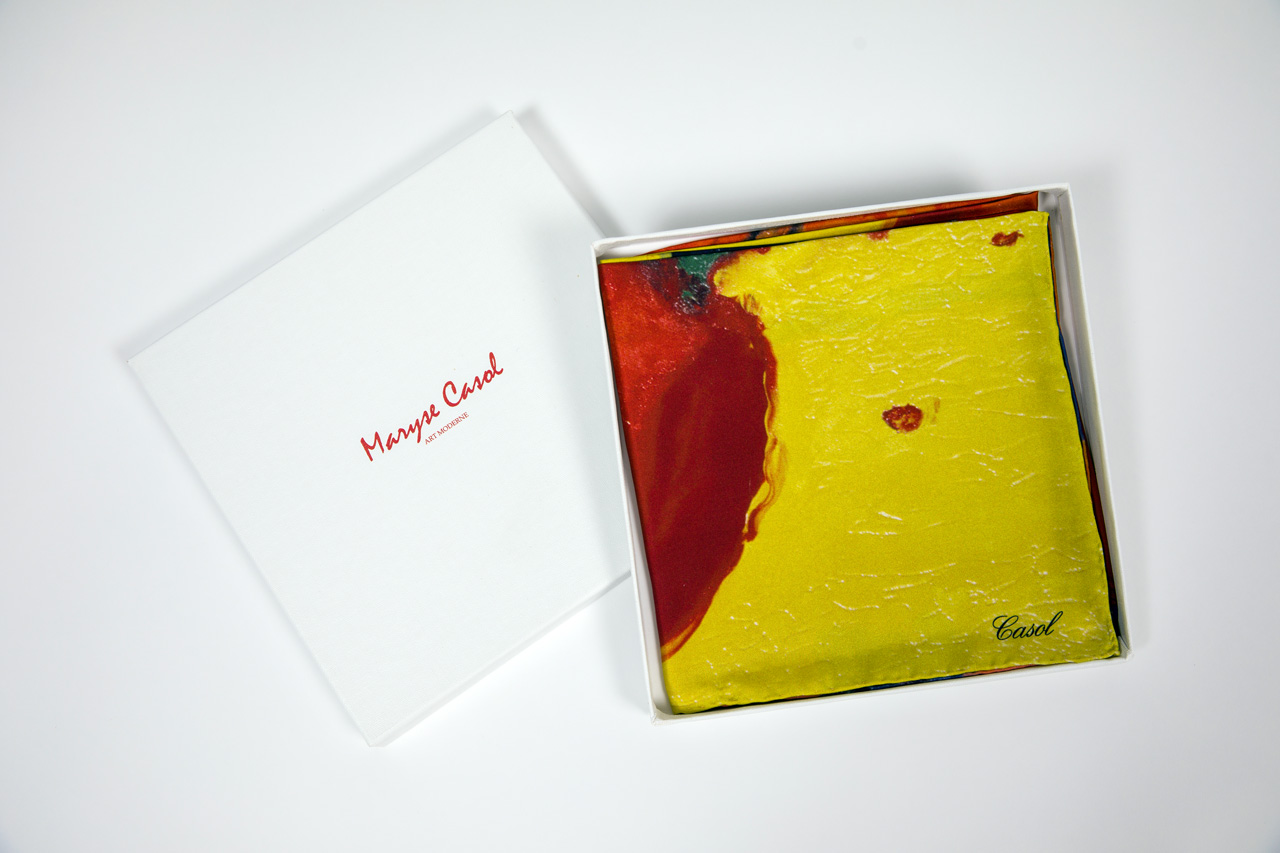
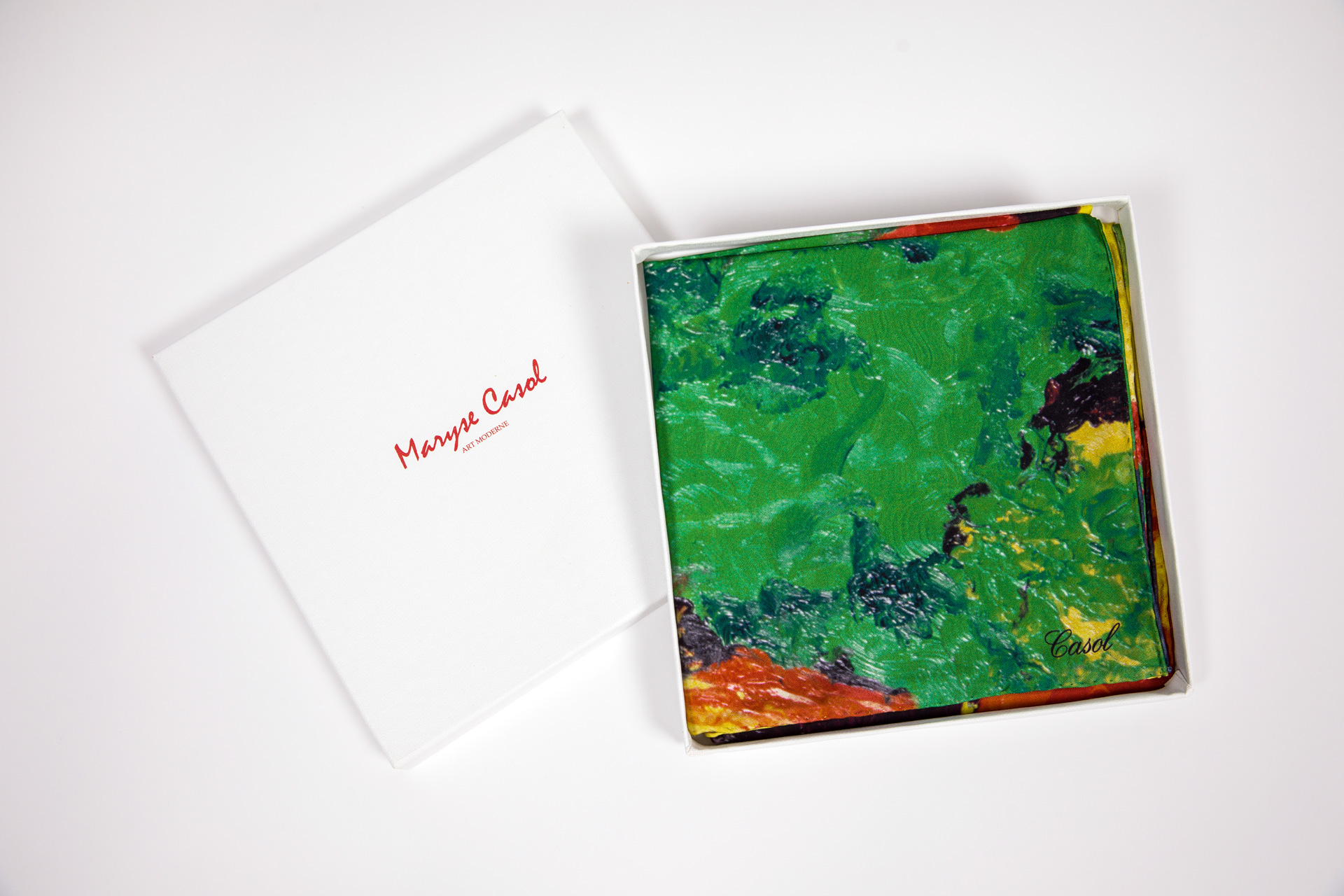
 Fado Romantique - Casol square silk scarf